
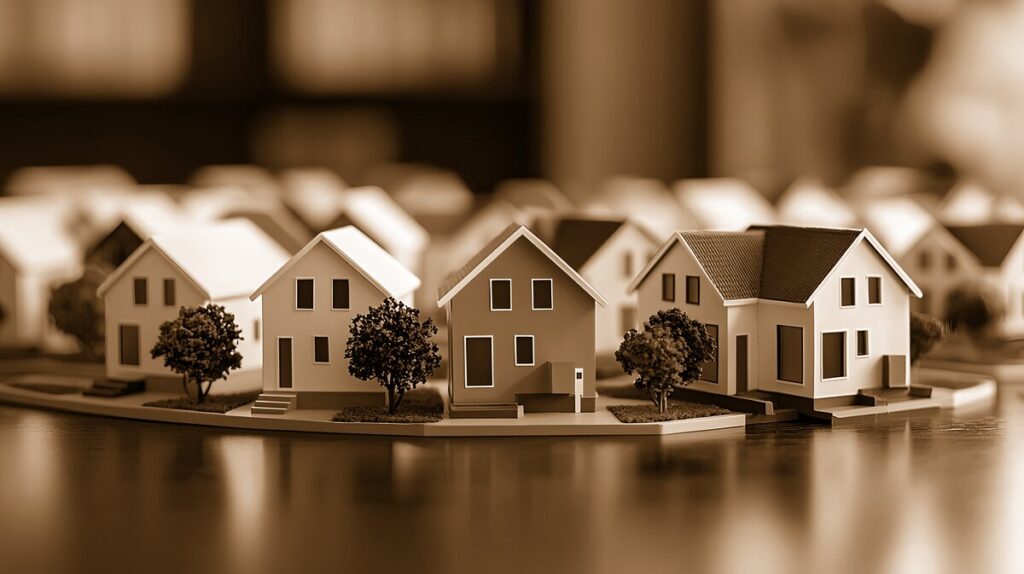
Houston Heights East, a distinctive neighborhood in the heart of Houston, is beloved for its tree-lined streets, charming architecture, and enduring sense of community. But beyond its present-day vibrancy lies a rich tapestry of stories—of ambitious founders, evolving urban landscapes, and cherished landmarks. As someone who has watched Heights East grow and transform, I invite you to take a journey through the history and heritage of this remarkable corner of Houston.
The Origins: Dreams on the Bayou
Houston Heights East’s story begins in the late 19th century, during a time when Houston was rapidly expanding. In 1891, millionaire entrepreneur and Omaha native Oscar Martin Carter led a group of investors to purchase nearly 1,750 acres of elevated and wooded land just northwest of downtown Houston. Their vision was to create a “garden suburb” away from the bustling city center—one that would combine fresh air, modern amenities, and a sense of refined living.
The name "Heights" reflects this vision quite literally; the neighborhood was developed atop some of the highest land in Harris County, offering residents relief from the swampy lowland floods that plagued downtown. The “East” moniker distinguishes the area bounded roughly by Heights Boulevard to the west, I-45 to the east, 11th Street to the north, and White Oak Bayou to the south.
Heights East quickly became a magnet for upwardly mobile families, lured by promises of paved roads, electric streetcars, and city utilities—luxuries in 1890s Houston.
Early Development and Architectural Heritage
Much of Houston Heights East’s charm lies in its preservation of late 19th and early 20th-century architecture. Walking down Cortlandt, Harvard, or Columbia streets, you’ll find fine examples of:
- Queen Anne cottages with inviting front porches
- Victorian mansions adorned with gingerbread trim
- Craftsmanship bungalows of the 1920s
- Classic American Four Squares
The area’s original development featured grand homes and more modest dwellings alike, reflecting a diverse community spirit. These historic homes, many lovingly restored, still grace the blocks between Heights Boulevard and I-45, creating a living museum of Houston’s architectural past.
Key Historical Milestones
Houston Heights East has seen its share of pivotal moments:
- Annexation: In 1918, Houston annexed the Heights, bringing much-needed infrastructure and services. This move integrated Heights East into the greater city, yet the neighborhood retained its independent spirit.
- Economic Ups and Downs: Like many older neighborhoods, Heights East experienced periods of decline—especially mid-century, as residents moved to newer suburbs. Through the 1970s and ‘80s, a wave of preservation-minded newcomers began restoring vintage homes, sparking a renaissance that revitalized the area.
- Historic District Designation: In the 2010s, several streets in Heights East received "Historic District" designations, ensuring that new construction and renovations would honor the historic character.
Landmarks and Community Treasures
Several local landmarks anchor Heights East’s unique sense of place:
- Heights Fire Station (107 W. 12th Street): Built in 1914, this stately brick firehouse now serves as a community events space and a visual emblem of the neighborhood’s civic pride.
- Heights Christian Church (1703 Heights Boulevard): Established in 1910, this spiritual center has long hosted local gatherings, weddings, and outreach events.
- Donovan Park (700 Heights Boulevard): Once just a grassy field, today Donovan Park is a whimsical destination, boasting intricate wooden play structures—a labor of love by Heights families—and hosting frequent community celebrations.
Other notable streets such as Harvard Street, with its historic esplanade oaks, and East 11th Street, home to bustling cafes, boutiques, and longstanding businesses, further highlight the area’s vibrant character.
Institutions That Shaped the Neighborhood
Heights East’s commitment to families and education can be seen in its neighborhood schools and libraries:
- Harvard Elementary School (810 Harvard Street): Dating to 1898, this campus remains a focal point for families, credited with providing generations of children with quality education and fostering enduring neighborhood bonds.
- Heights Neighborhood Library (1302 Heights Boulevard): Opened in 1926, this Spanish Revival gem is not just a center of learning, but also a social hub, hosting book clubs, children’s programs, and local history exhibits.
Neighborhood Evolution: From Past to Present
Houston Heights East’s evolution mirrors Houston’s own growth while retaining its unique flavor. In recent decades, new residents have restored historic homes, and small businesses have flourished along nearby White Oak Drive and Studewood Street. The neighborhood’s walkability, proximity to downtown, and welcoming atmosphere have made it a destination for families, young professionals, and artists alike.
Despite pressures of urban development, Houston Heights East has maintained its identity through:
- Active neighborhood associations and preservation groups
- Popular traditions, like the annual Heights Home Tour, White Linen Night, and porch concerts
- Green spaces, which provide residents with shade, beauty, and gathering places
While new townhomes and renovations signal change, the strong sense of local history and community spirit endures.
What Makes Heights East Special Today
Ask any longtime resident, and you’ll hear stories of neighborly block parties, generations of families living within blocks of one another, and pride in the area’s historic character. Walkers and cyclists fill the streets on weekends, admiring the gardens and front porches that have witnessed over a century of Houston’s evolving story.
Whether you’re stopping by Donovan Park, browsing antique shops along 19th Street just to the west, or exploring the leafy avenues near Heights Boulevard and Harvard, you’ll feel the blend of history and vitality that defines Houston Heights East.
The neighborhood’s appeal lies not just in its beautiful buildings, but in the everyday moments shared among friends and families—roots that grow deeper with each passing year.
In Closing
Houston Heights East is a neighborhood that remembers where it came from, values where it’s going, and invites all who visit to become a part of its ongoing story. From its high ground origins to its tree-canopied lanes and landmarks, Heights East encapsulates the best of Houston’s independent spirit, welcoming heart, and enduring heritage.